


Lifted Truck Requirements New Jersey
Lifted Truck Requirements New Jersey
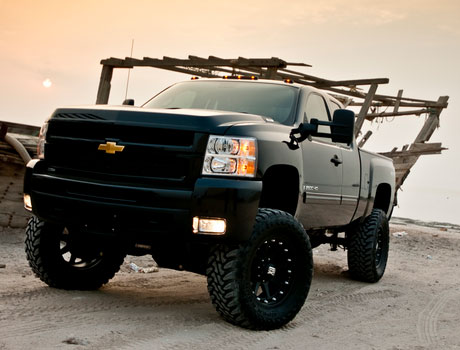
Every state has its own laws on lifted trucks. They are put in place to ensure the safety of other drivers and pedestrians on the road. New Jersey has lift laws and laws on equipment vehicles and breaking them can lead to consequences of fines, driving license suspension and other measures.
Vehicle modifications are allowed in New Jersey. However, most modifications that change the way a vehicle drives must undergo an inspection to verify that it is safe and certification for the same must be acquired. If a vehicle is certified to be safe, it can have enhancements such as aftermarket bumpers, tires, wheels, grille guards, suspension lift kits and others are allowed.
As of 1st July, 2010, mechanical inspection of passenger vehicles is not required. This followed the proposal by the New Jersey Assembly Budget Committee to do away with the mechanical inspection program. However, lifted vehicles in New Jersey must still undergo what is known as an Elevated Vehicle Inspections.
Specific requirements of lifted trucks
The legal requirements are specific for the different parts. When it comes to dimension, vehicle must not be larger than 13 feet and six inches in height, 40 feet in length and 102 inches in width. When it comes to tires, elevated vehicles with tires that are more than four inches wide have to go undergo inspection and get certified. Tires must have D.O.T approval, must not come into contact with suspension when in motion, and must have sufficient load ratings among other tire specifications.
Also, wheel spacers are not allowed, brake lines and hoses have to be protected from too much heat and vibration and power steering systems must facilitate the safe operation of the vehicle, should power steering fail. There are also specific requirements for bumpers, suspension, fenders, windows, lights, the exhaust, emissions and the engine.
New Jersey lift laws also have rules on license plates which must be between 12 and 48 inches off the ground, the tilt test which a car must pass and weight distribution which must not go beyond 45 percent to 55 percent side to side. Also, ballast used to increase vehicle weight must be fixed on the vehicle and an exposed fuel tank must have the protection of a skid plate or a protective bar.
Chevrolet lifted trucks
Chevrolet has an inventory of lifted trucks. Some makes are the 2012 and 2013 Chevy Silverado 1500 Crew Cab LT 4-x-4 lifted truck and the 2009 Chevrolet Silverado 2500HD LTZ Crew Cab diesel 4-x-4 cab and the 2007 Chevrolet 2500HD Crew Cab LT Duramax Diesel 4-x-4 lifted truck.
Standard trucks may be modified into lifted trucks using kits that mare made specifically for lifting Chevy trucks. As the lift kits are designed particularly to lift Chevy trucks, there is no need for costly and time consuming modifications that may affect the performance of the lifted truck. For instance, the Chevy Silverado 1500 ST lift kits will increase ground clearance without any need for modifications to the spindle or the need to replace factory rear shocks with aftermarket of inferior quality.
It is advisable to get lift kits from authorized Chevrolet dealerships. Most of them have a division for service and maintenance that is staffed by certified and experienced auto technicians. It is best to leave the lifting to them. After lifting, they will go over your truck with a fine tooth comb to ensure that your lifted truck works as it should and that it will pass inspection and receive certification.

0 comment(s) so far on Lifted Truck Requirements New Jersey